
How Proper Attic Ventilation Lowers Your Summer Cooling Bills
When the brutal Texas heat sets in, most of us immediately head indoors and crank up the air conditioning. But if your AC is running non-stop and your energy bills are still climbing, the problem might not be your HVAC system at all. The real culprit could be sitting right above your head. For homeowners across the Austin area, a poorly ventilated attic acts like a massive heat trap, forcing your cooling system to work overtime just to maintain a comfortable temperature.
Understanding how your roof breathes is one of the most overlooked aspects of home maintenance. Proper airflow doesn't just protect your shingles; it plays a massive role in your home's overall energy efficiency. Let's dive into how optimizing your attic's airflow can significantly reduce your summer cooling bills and keep your home comfortable all season long.
Why Your Attic Feels Like an Oven
Have you ever popped your head into your attic during a July afternoon? It is suffocating. On a day when it is 100 degrees outside, temperatures inside an unventilated attic can easily soar past 150 degrees. This happens because your roof absorbs the sun's radiant energy, transferring that intense heat directly into the attic space.
If that trapped heat has nowhere to go, it begins to radiate downward through your ceiling insulation and into your living spaces. This constant downward pressure of heat means your air conditioner has to fight an uphill battle. It is essentially trying to cool a box that is being actively heated from the top down. Reducing attic heat in Texas summer conditions is absolutely critical if you want to give your AC unit a break.
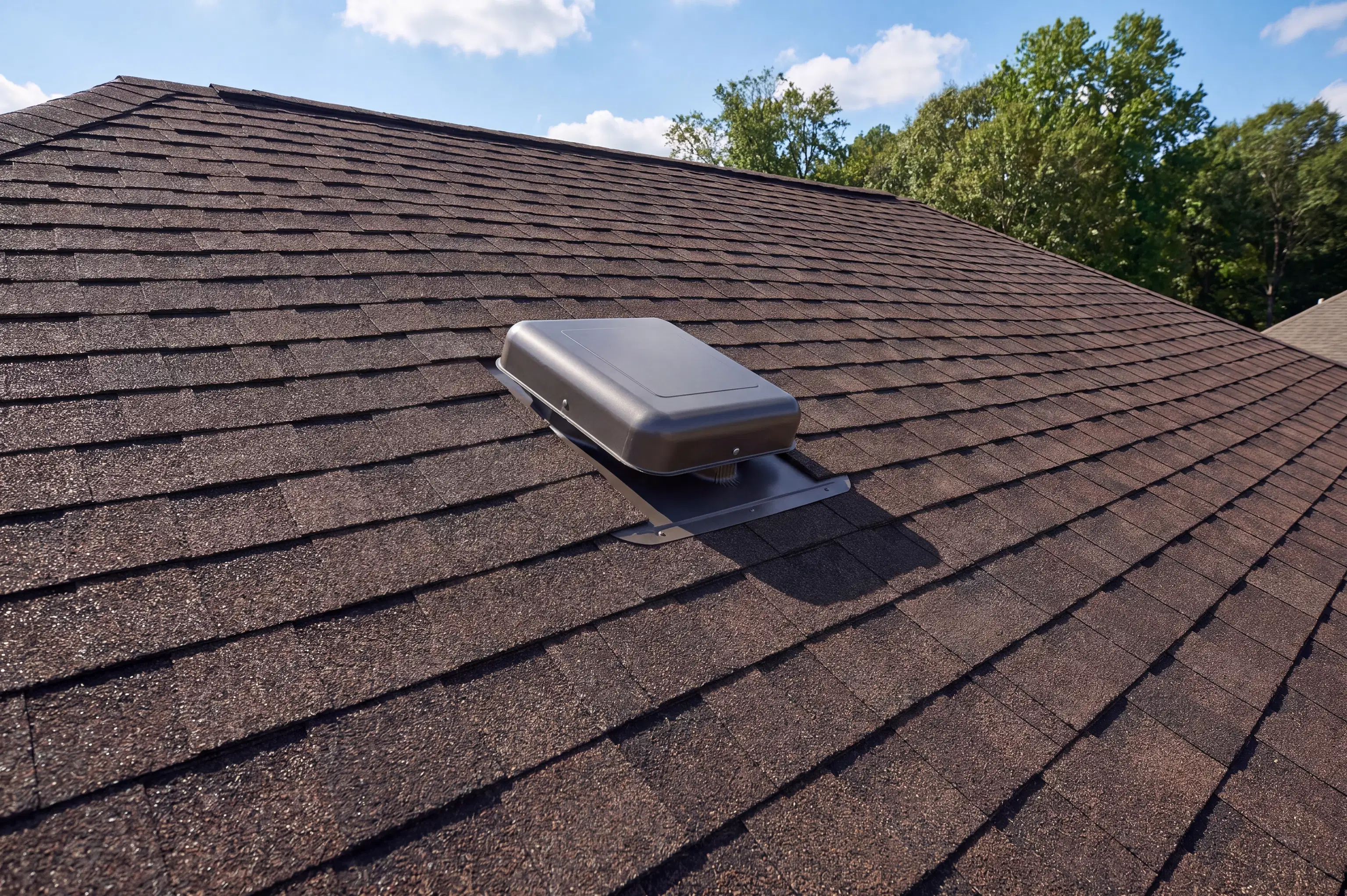
Proper ventilation solves this by creating a continuous flow of air. It relies on two main components: intake vents, which are usually located in the soffits under your eaves, and exhaust vents, typically placed along the ridge or upper portion of the roof. As hot air naturally rises and escapes through the exhaust vents, it creates a vacuum that pulls cooler, fresh air in through the soffit vents.
This passive system constantly flushes hot air out of your house, drastically lowering the ambient temperature in your attic. Think of it as allowing your house to exhale. When the system is balanced correctly, the temperature in your attic should only be a few degrees warmer than the outside air, rather than fifty degrees hotter. This balance is the secret to reducing the thermal load on your home. When your attic is cooler, your insulation doesn't have to work as hard, your ductwork doesn't absorb excess heat, and your air conditioning unit can finally cycle off, saving you a significant amount of money on your monthly electricity bill.
Signs Your Roof Needs Better Ventilation
Many homeowners don't realize they have an airflow problem until they are facing a major repair or an astronomical utility bill. Fortunately, your home will usually give you a few warning signs before things get out of hand. If you are wondering about the signs your roof needs better ventilation, here are a few key indicators to watch for.
First, pay attention to your ceilings. On a hot afternoon, touch the ceiling in your upper-level rooms. If it feels noticeably warm to the touch, your attic is likely holding onto too much heat. Second, listen to your air conditioner. If it is running continuously without cycling off, it is struggling to overcome the heat radiating from above.
Another subtle sign is uneven cooling throughout your house. If your downstairs is freezing but your upstairs bedrooms are uncomfortably warm, trapped attic heat is often the culprit. Additionally, take a look at your roofline from the street. Do you see adequate intake vents under the eaves? Are they painted over or clogged with dust and debris? Many older homes were built without sufficient ventilation standards, or the vents have been inadvertently blocked by blown-in insulation over the years.
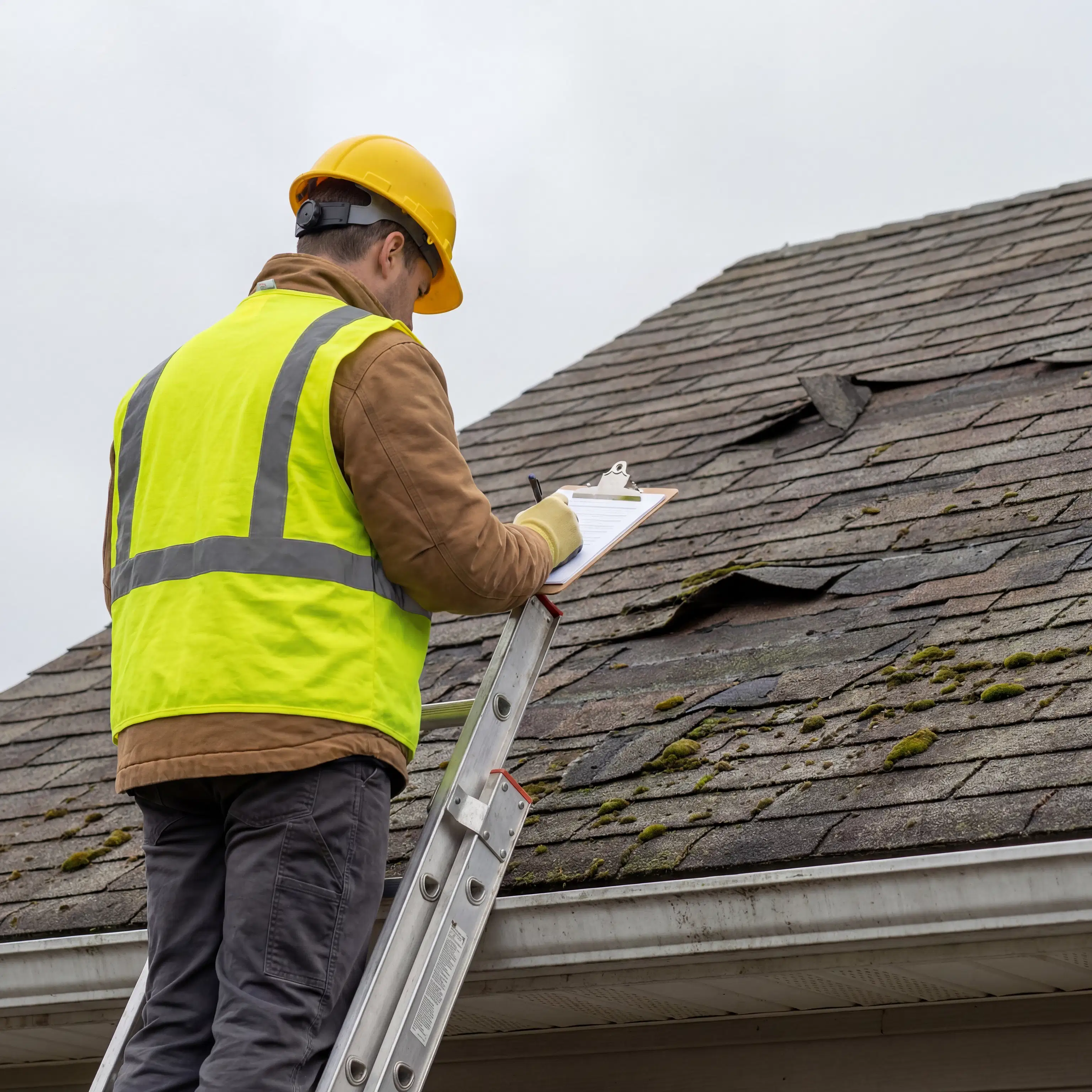
You might also notice issues on the outside of your home. Wavy, curling, or blistered shingles are a major red flag. When heat gets trapped in the attic, it literally bakes your shingles from the inside out, causing the asphalt to deteriorate rapidly. If you are noticing these issues, it is highly recommended to look into professional attic ventilation corrections before the structural integrity of your roof is compromised. Fixing these airflow pathways is a straightforward process for an experienced contractor, but it yields immediate and noticeable results in your daily comfort.
Protecting Your Roof from the Inside Out
When customers ask us how long a roof lasts in Texas, the answer always comes back to ventilation. Even the highest quality shingles will fail prematurely if they are constantly subjected to extreme heat from below. By ensuring your attic breathes properly, you are protecting your investment and maximizing the lifespan of your roofing system.
This is also a great time to think about the materials on top of your home. If you are considering a full roofing replacement, pairing proper ventilation with energy efficient roofing materials for extreme heat can completely transform your home's energy profile. Options like cool roofs, which reflect more sunlight and absorb less heat, or durable metal roofing that complements the Hill Country aesthetic, can make a massive difference in your daily comfort and long-term savings.
Furthermore, a well-ventilated attic helps manage moisture. While we talk a lot about the heat, humidity is another major factor. Everyday activities like cooking, showering, and doing laundry generate moisture that rises into the attic. Without proper exhaust, this moisture can lead to mold growth and wood rot, compromising the structural decking of your roof. During the cooler months, this trapped moisture can even cause condensation to drip down onto your insulation, rendering it ineffective. A comprehensive approach to your roof's health means looking at the entire system, ensuring all components work together harmoniously so your roof can easily withstand the intense weather patterns we experience year-round.
Keep Your Home Cool and Your Bills Low
Battling the elements doesn't have to mean accepting sky-high utility bills. By addressing the root cause of heat buildup in your home, you can create a more comfortable living environment while keeping your hard-earned money in your wallet. Upgrading your attic's airflow is one of the most cost-effective ways to improve your home's energy efficiency and protect your property from the top down.
At All Sports Roofing, we know exactly what it takes to keep CenTex homes protected from the harsh climate. We aren't out-of-state storm chasers; we are your local experts dedicated to providing honest assessments, transparent pricing, and high-quality craftsmanship. If y'all are tired of overpaying for air conditioning or suspect your roof isn't breathing the way it should, we are here to help. Reach out to our team today to schedule a comprehensive inspection and learn more about our ventilation correction services. Let's get your home ready to beat the heat.